Matching return-route passengers with outstation taxi drivers in India
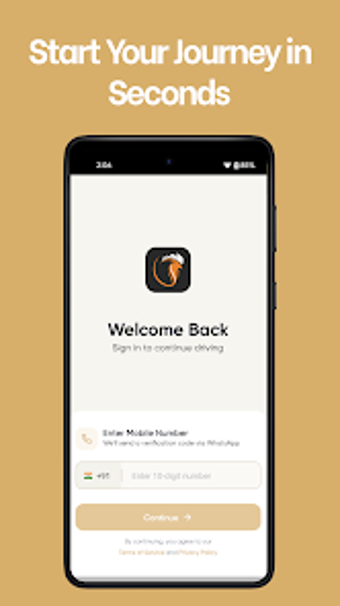
Sirf Taxi Partner, from Sirf Taxi, connects drivers returning from one-way outstation trips with passengers heading the same direction. The app matches available return seats to riders, presents verified driver and vehicle profiles, and uses OTP confirmations to secure trip starts. Drivers post return availability and handle bookings through a focused management interface. It targets professional taxi drivers, fleet owners, and independent operators aiming to reduce empty return mileage and increase vehicle utilisation.
What problem does the app address on intercity routes?
The app targets gaps in intercity and semi-urban road transport. It provides a route-matching channel that helps convert otherwise empty return legs into booked rides, which addresses limited supply or high fares in some corridors. This placement makes it a practical operational tool for markets where scheduled intercity services or conventional ride platforms do not fully cover cross-town and rural connectors.
How does platform support and regional availability affect reliability?
Availability relies on partner activity rather than centralised fleet density. The application is distributed via the Google Play Store and requires a modern Android release for best performance, setting a device baseline for partners. Because matching depends on posted trips, coverage and booking frequency vary by region; operators should expect differing usefulness between busy and sparsely served corridors.
Is the app suited to professional taxi workflows?
Yes, the interface and tools are built for drivers and fleet managers. Management functions focus on posting return availability and handling bookings, which aligns with commercial dispatch patterns. Fleet owners and independent operators can use the app to reduce idle kilometres after outstation assignments and to increase vehicle utilisation on intercity legs that standard on-demand services may skip.
What practical limits and compliance issues should users note?
Operational effectiveness depends on partner density and local practices. Matching chances decline where few partners post trips, so reliance on the app for scheduled returns requires prior verification of regional activity. Users are responsible for ensuring operations comply with applicable local regulations and platform terms, and fleets should pilot the tool in target corridors before committing regular schedules.
The app is a pragmatic choice for drivers who specialise in outstation trips
The app suits professional drivers and fleet owners seeking to monetise return legs by matching available seats with riders, provided there is sufficient partner activity in the chosen region. Users should verify regional posting density before depending on it for scheduled returns. It proves suitable for operators needing targeted intercity matching and driver-oriented booking workflows. A short pilot run in the intended corridor helps measure matching frequency and refine scheduling.